VHIO Barcelona Established in 2023

Decoding the rules of tumour evolution and anti-cancer immunity.

The Computational Immunogenomics Group at VHIO studies how cancers adapt, metastasise and escape the immune system. We combine cancer genomics, single-cell multi-omics and AI to translate those insights into better therapies.

— 01

Research

Three research pillars at the intersection of tumor evolution, cancer immunity and AI, united by a common goal: improve patient outcomes.

01 / PILLAR

Tumour evolution
and metastasis

Understanding and characterising metastasis

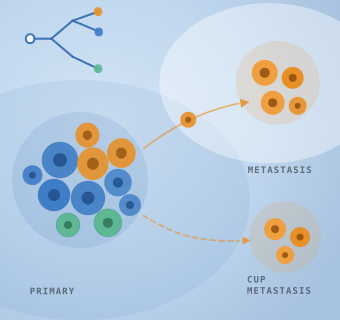
We investigate the transcriptional mechanisms that tumours co-opt to sustain metastatic progression, and how they interplay with the underlying genomic landscape — with a particular focus on cancers of unknown primary (CUPs) as a window into plasticity and fate decisions.
  • clonal evolution
  • transcriptional plasticity
  • genotype–phenotype
  • CUPs
02 / PILLAR ERC Consolidator

T-lymphocyte
anti-cancer immunity

How T cells succeed — and fail — against tumours

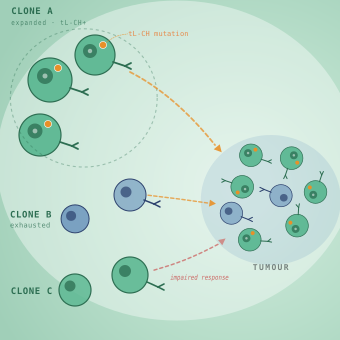
We investigate the genomic determinants of T-lymphocyte anti-tumour function, with a particular focus on clonal hematopoiesis in T cells — somatically acquired mutations that drive clonal expansions and may reshape the antitumour response.

Funded by the European Union

Unveiling the Role of T-Lymphocyte Clonal Hematopoiesis in Antitumor Immunity to Transform Cancer Immunotherapy

  • T-cell clonal hematopoiesis
  • immunotherapies
  • antitumour immunity
  • TCR-T
  • single-cell WGS
03 / PILLAR

Translational
impact

Improving diagnosis and treatment stratification

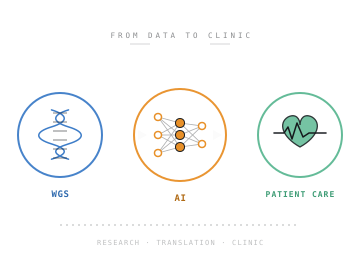
We aim to translate our findings into better cancer treatments — through improved diagnosis of rare cancers, the identification of non-responder biomarkers, and the development of the next generation of tailored immunotherapies.

  • WGS
  • data mining
  • non-responders
  • tailored immunotherapies
  • AI
— 02

People

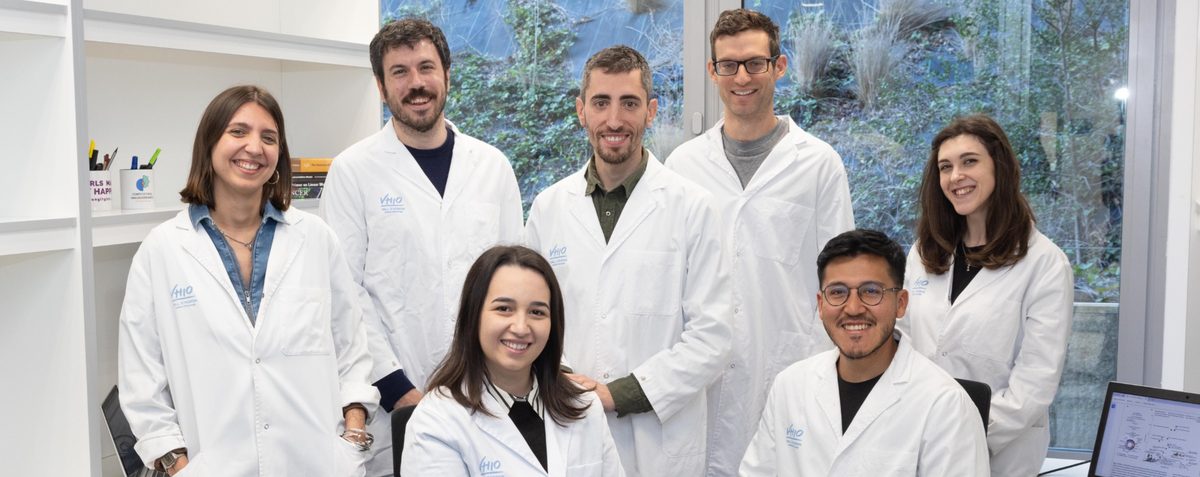
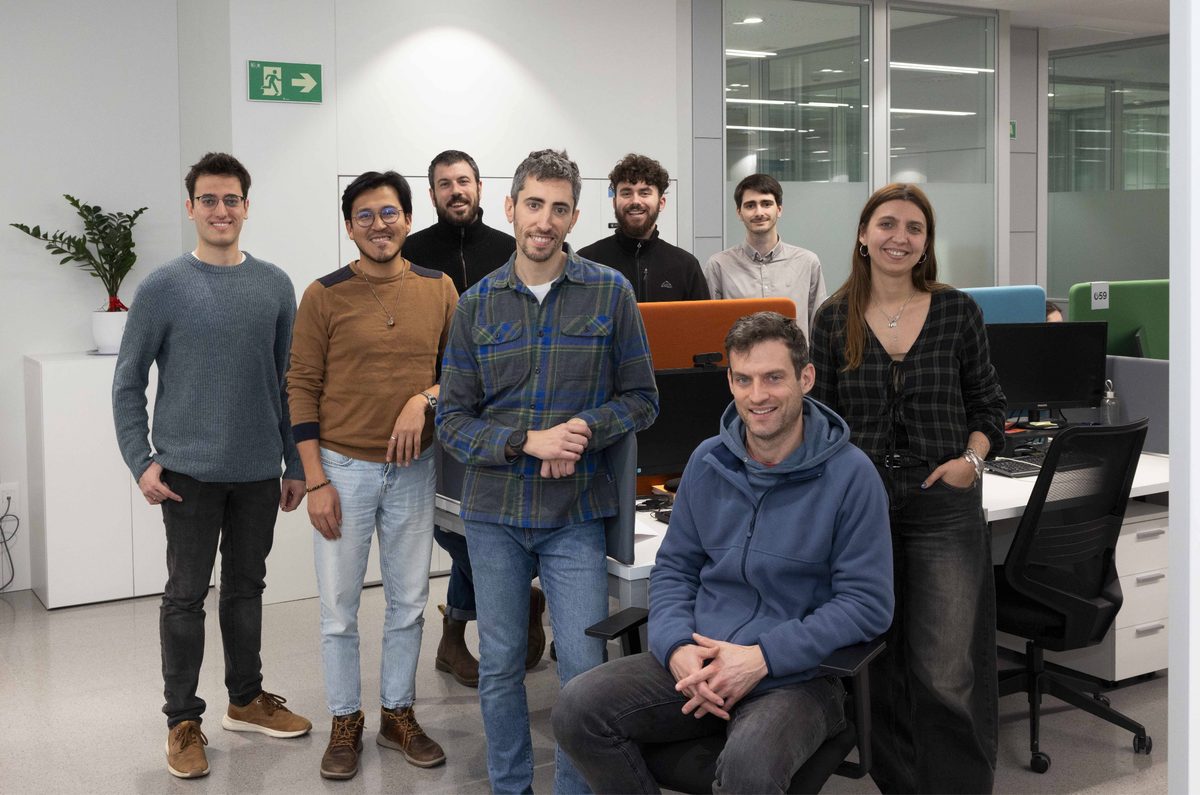
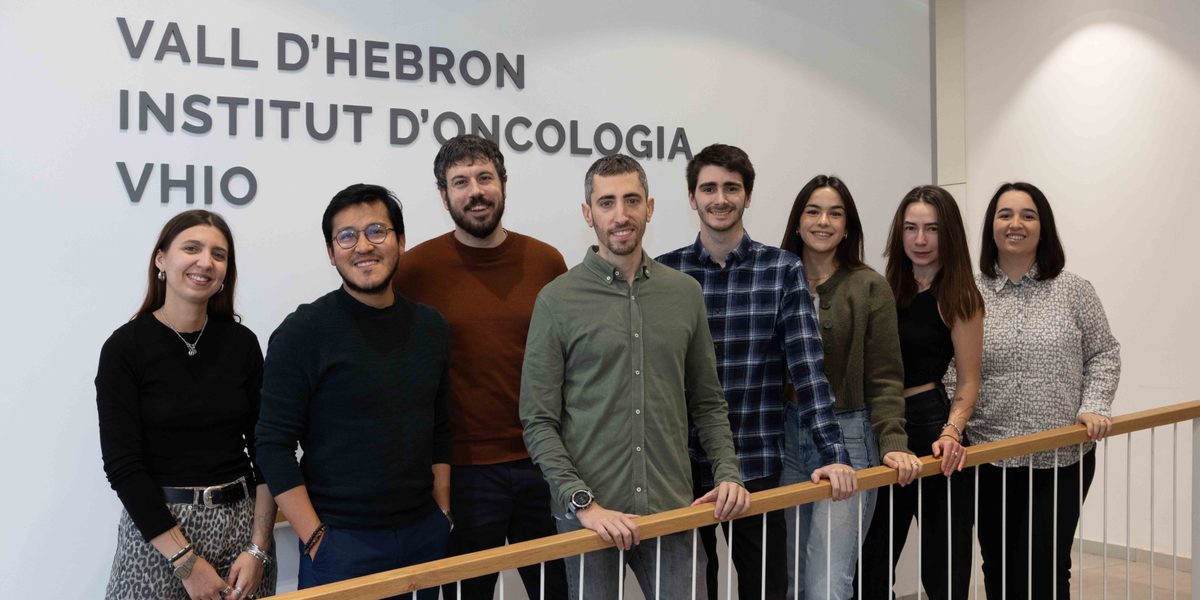
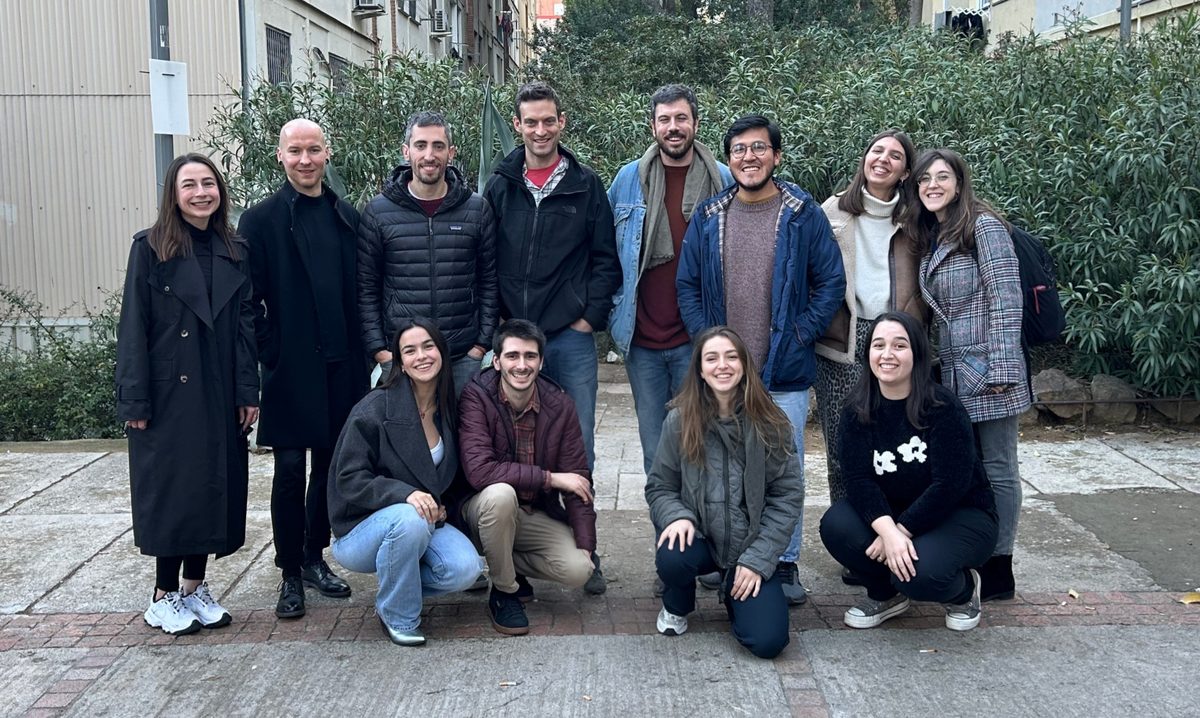
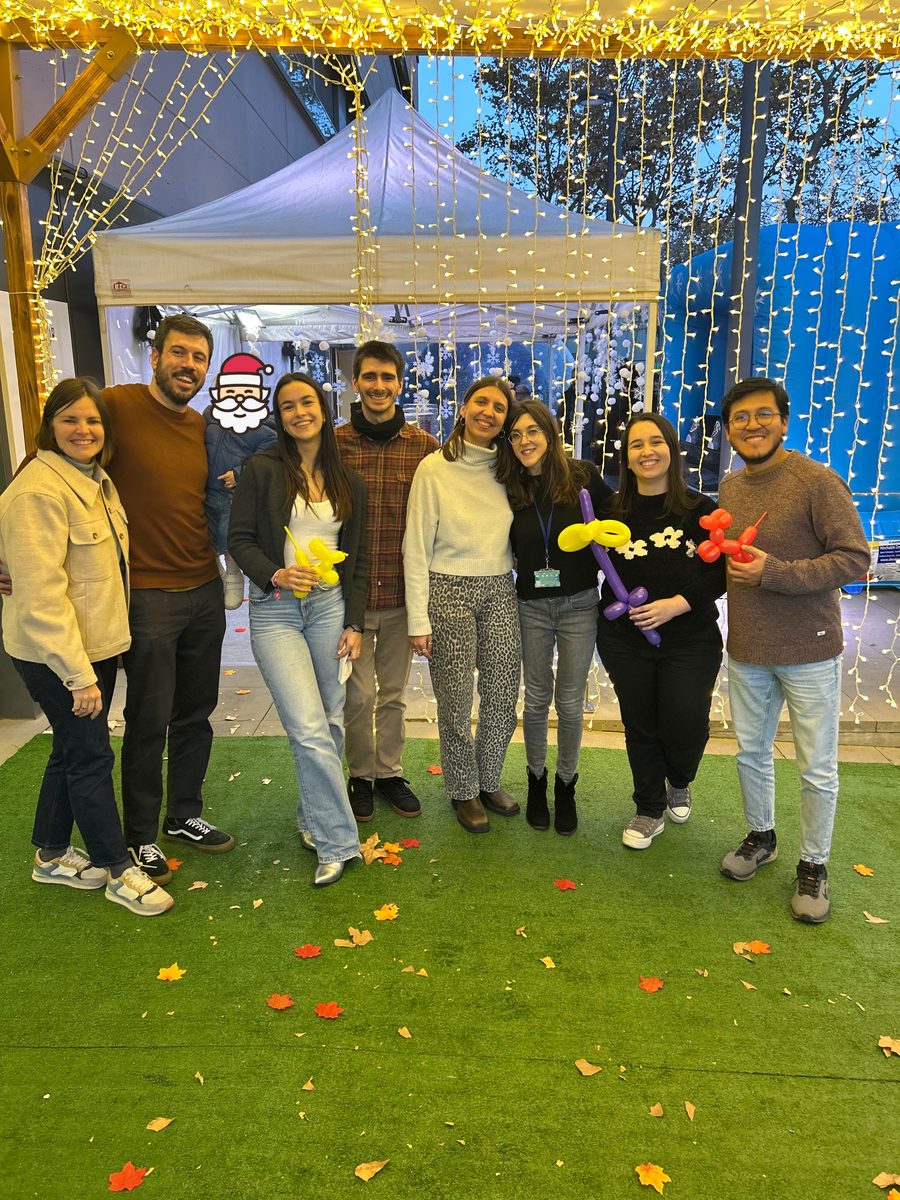
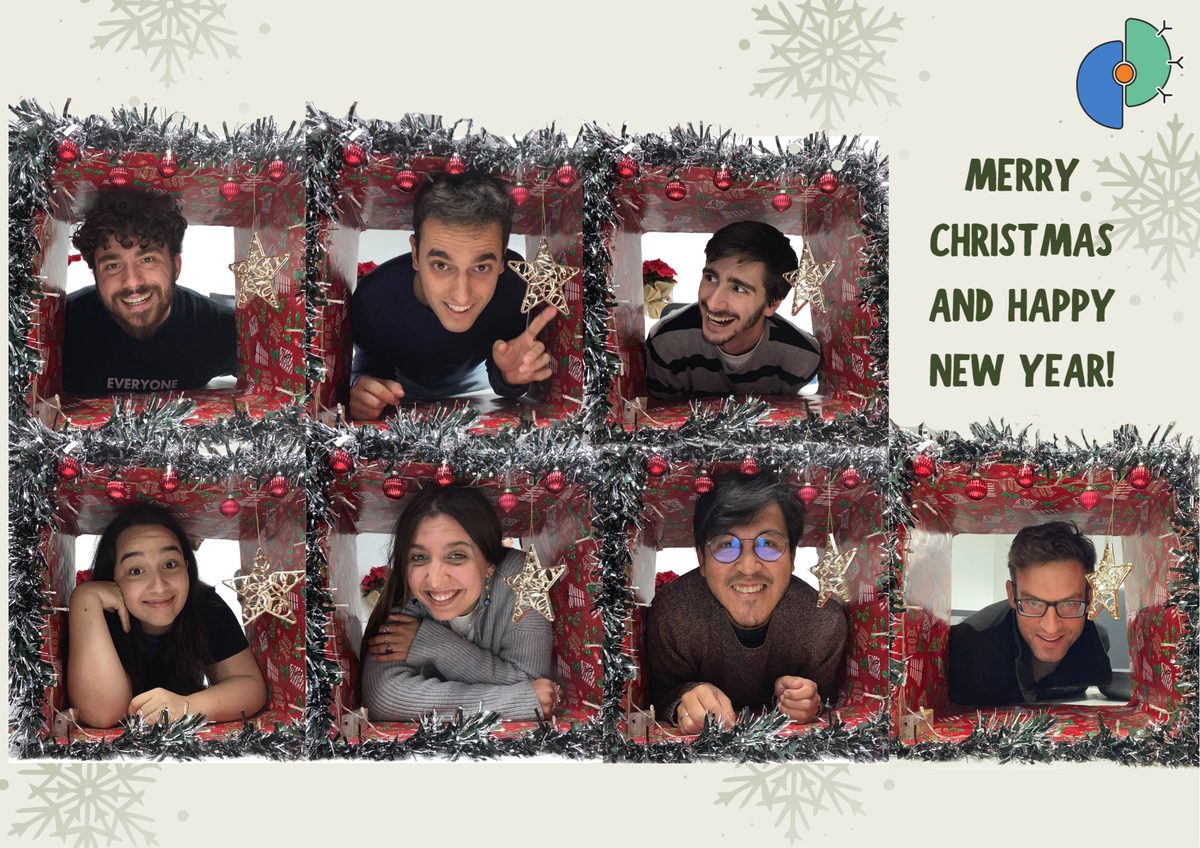
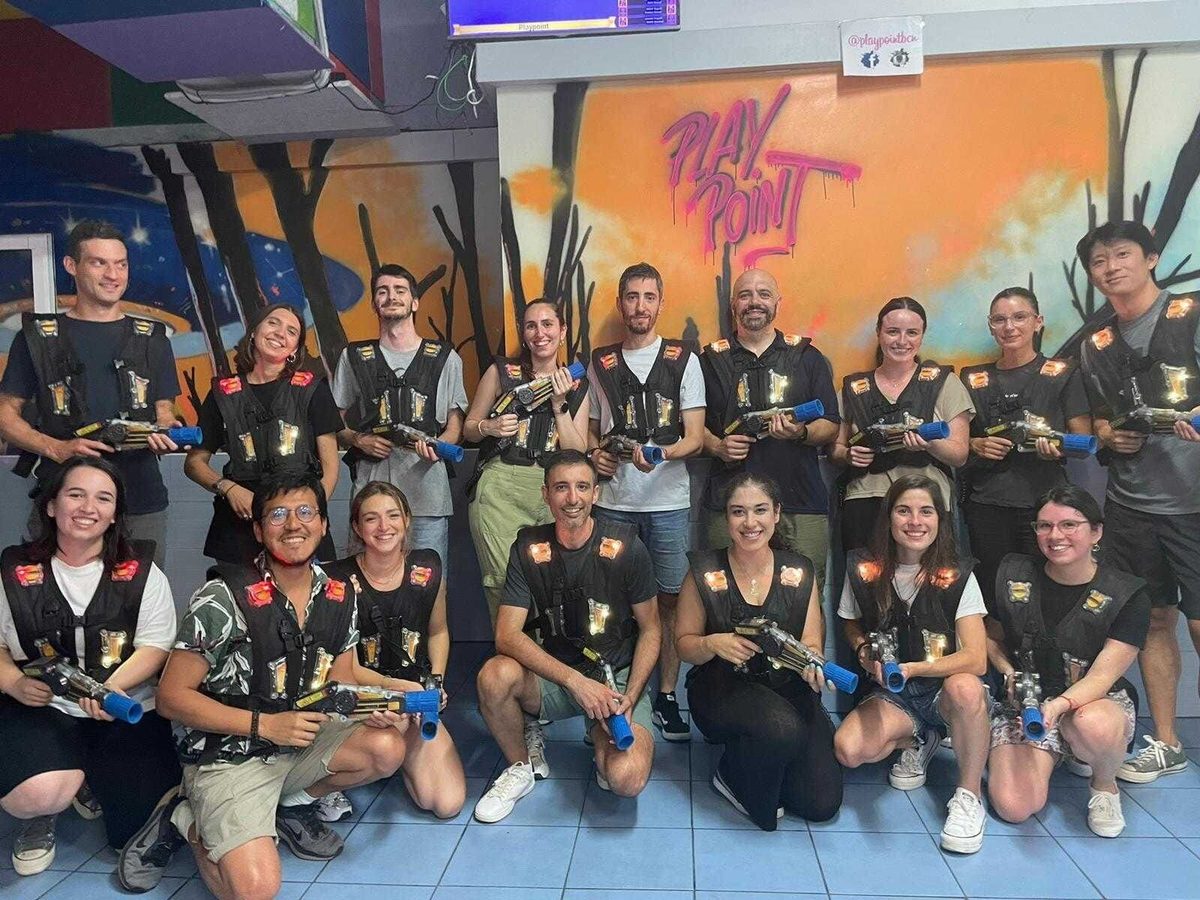
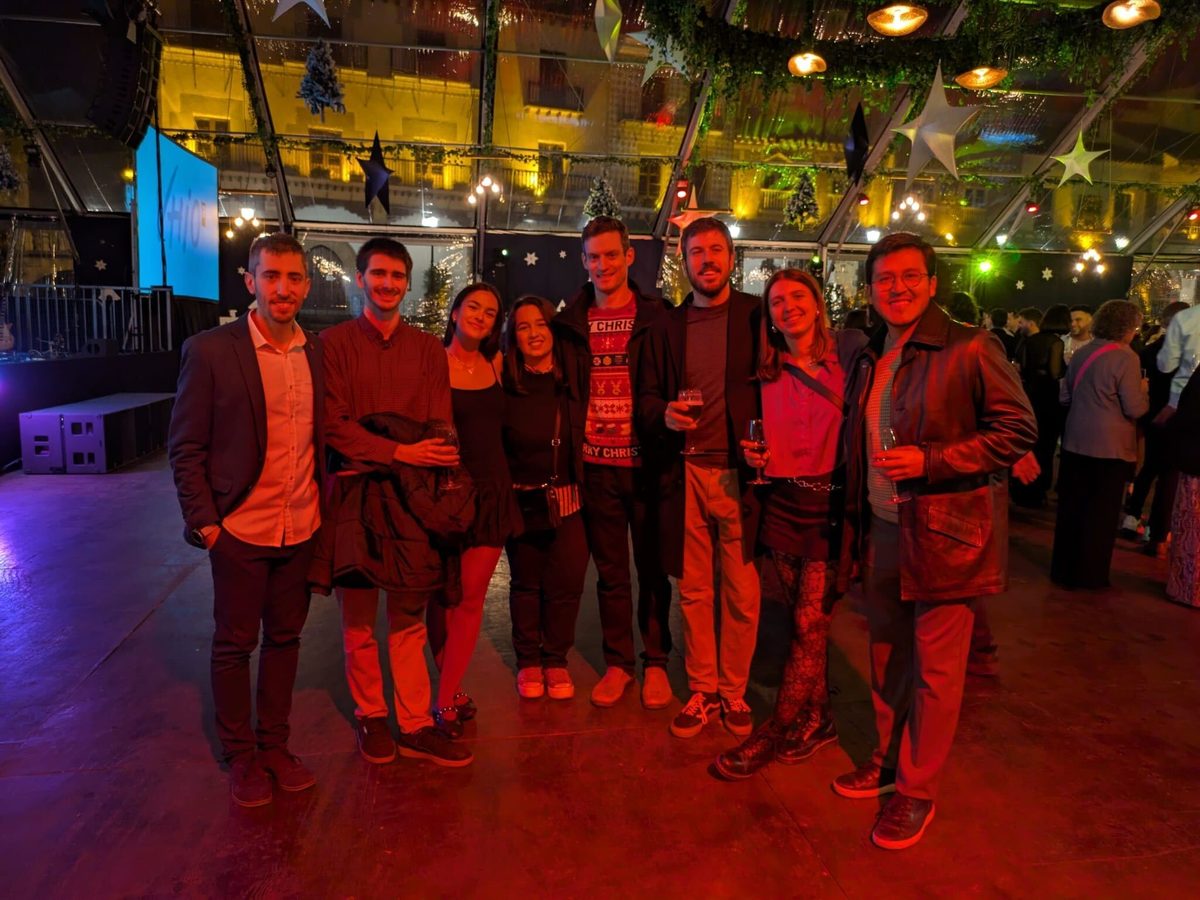
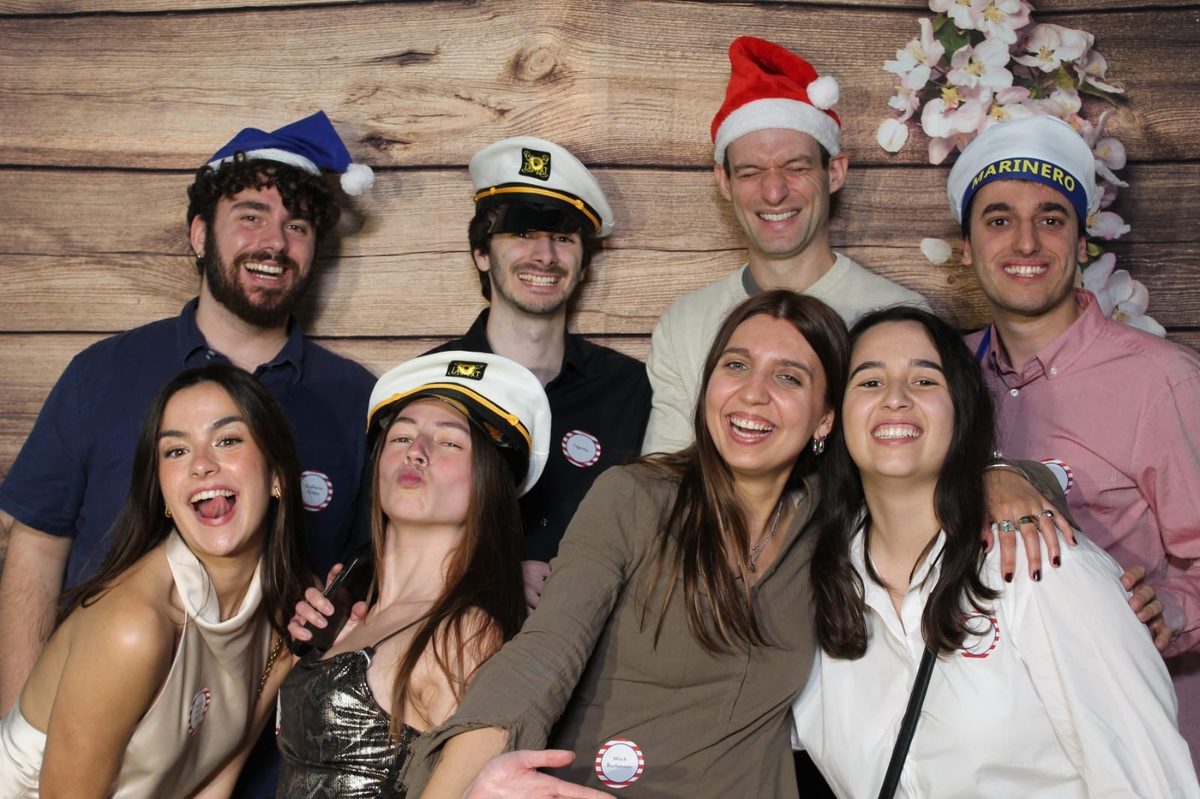
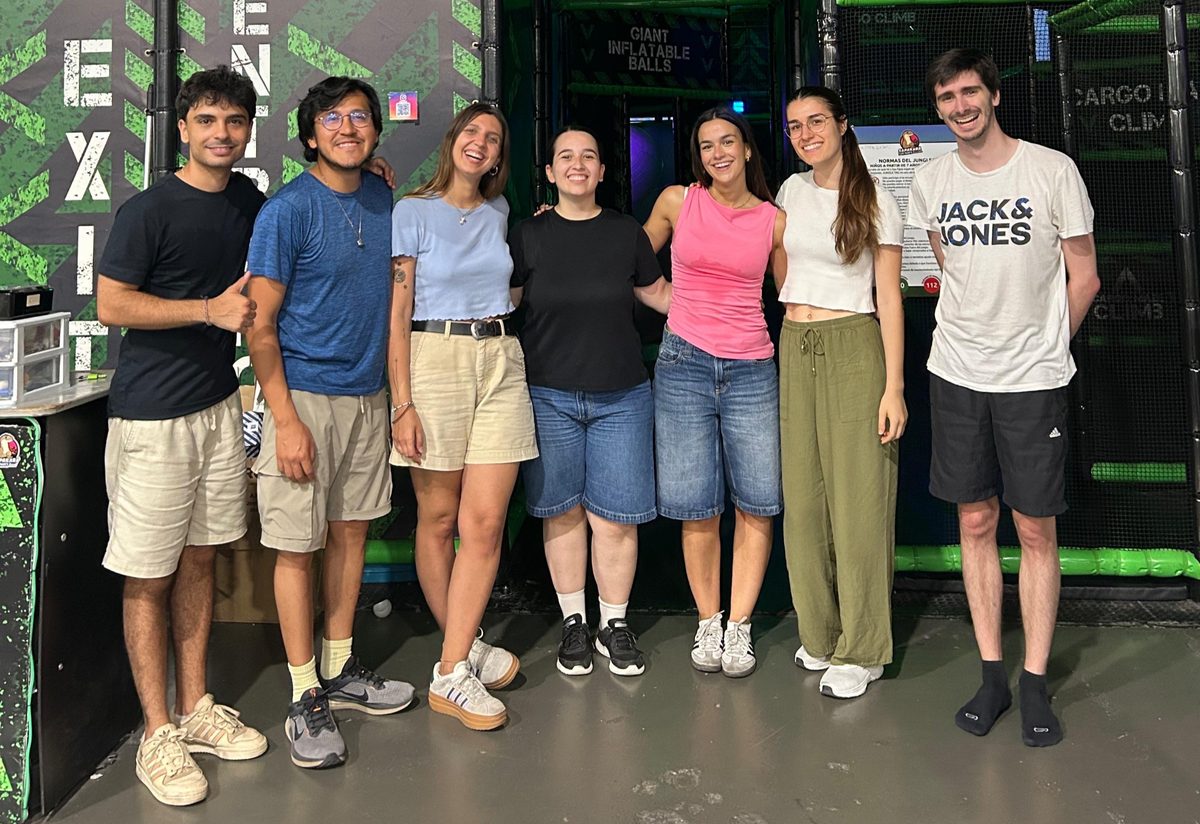
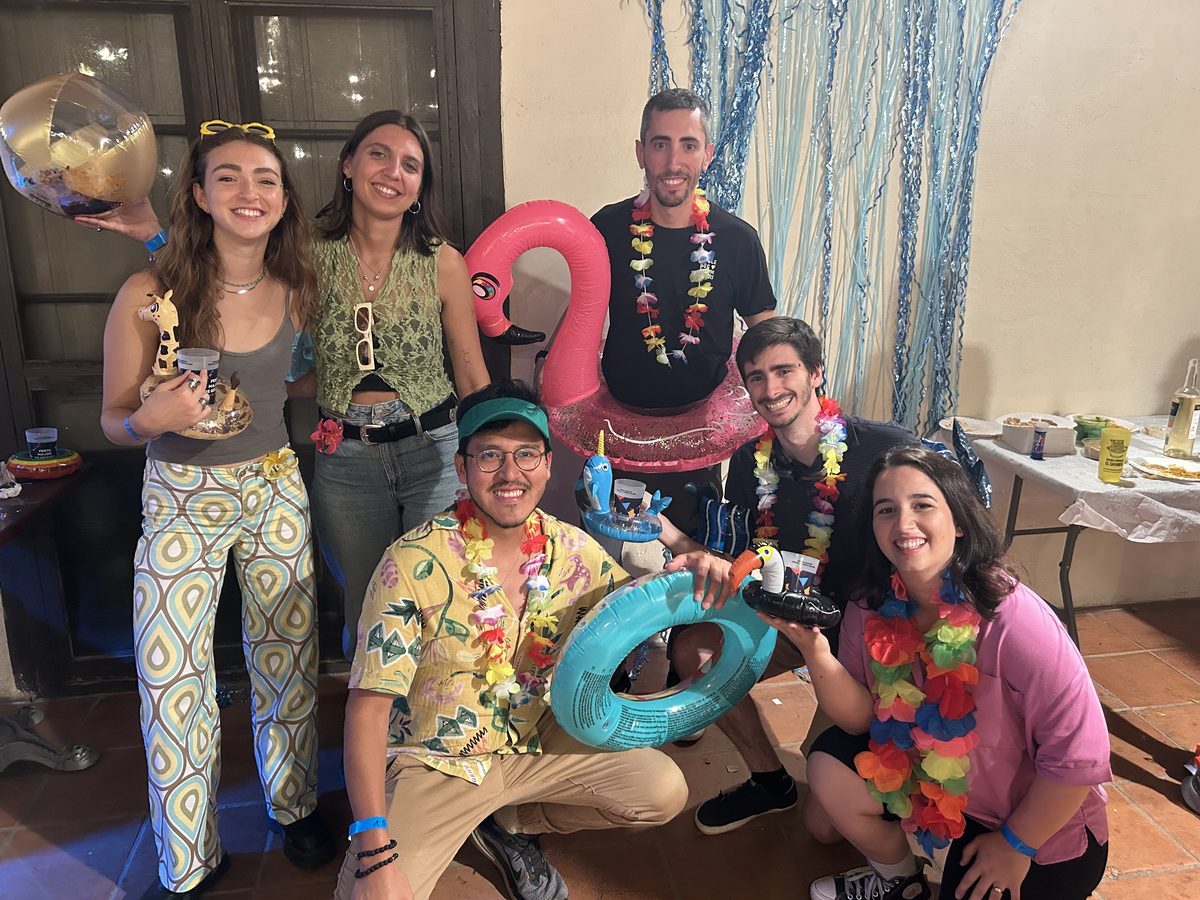
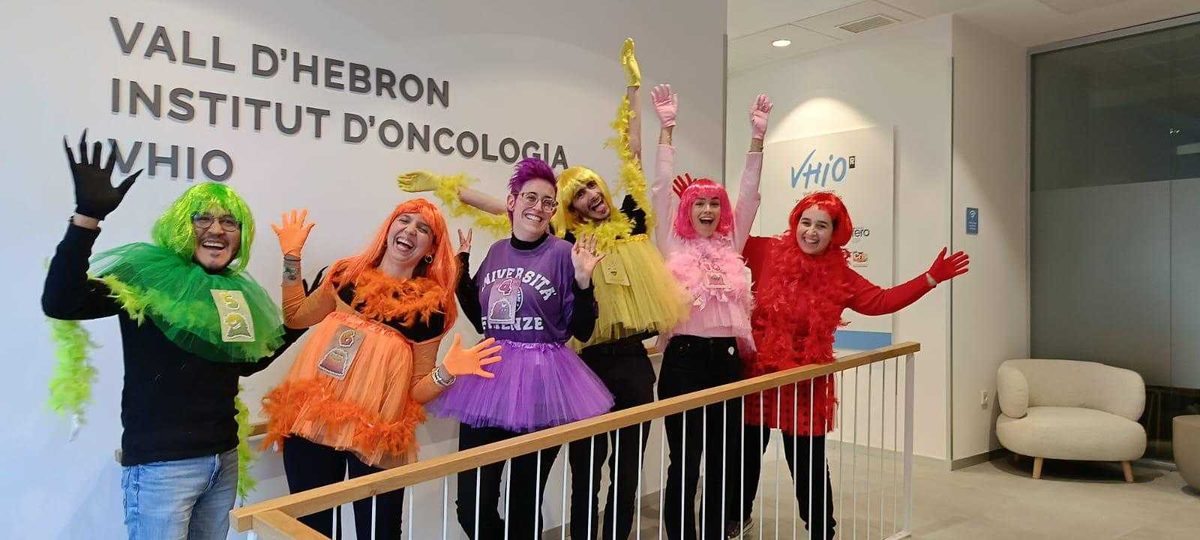
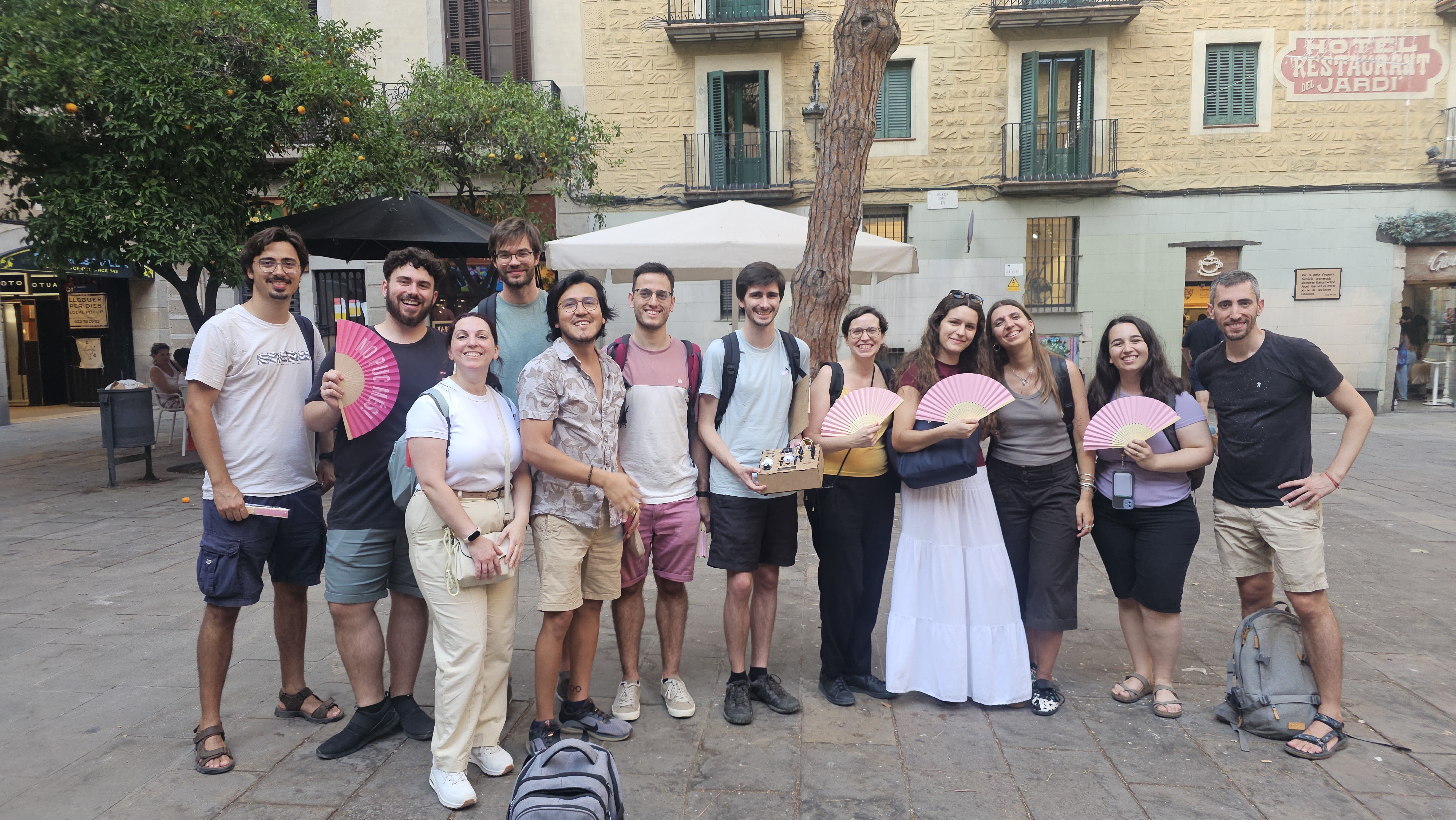
The team behind the science.

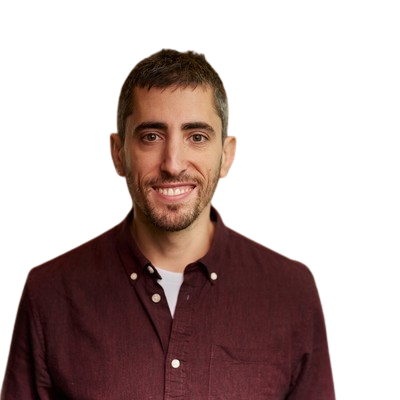
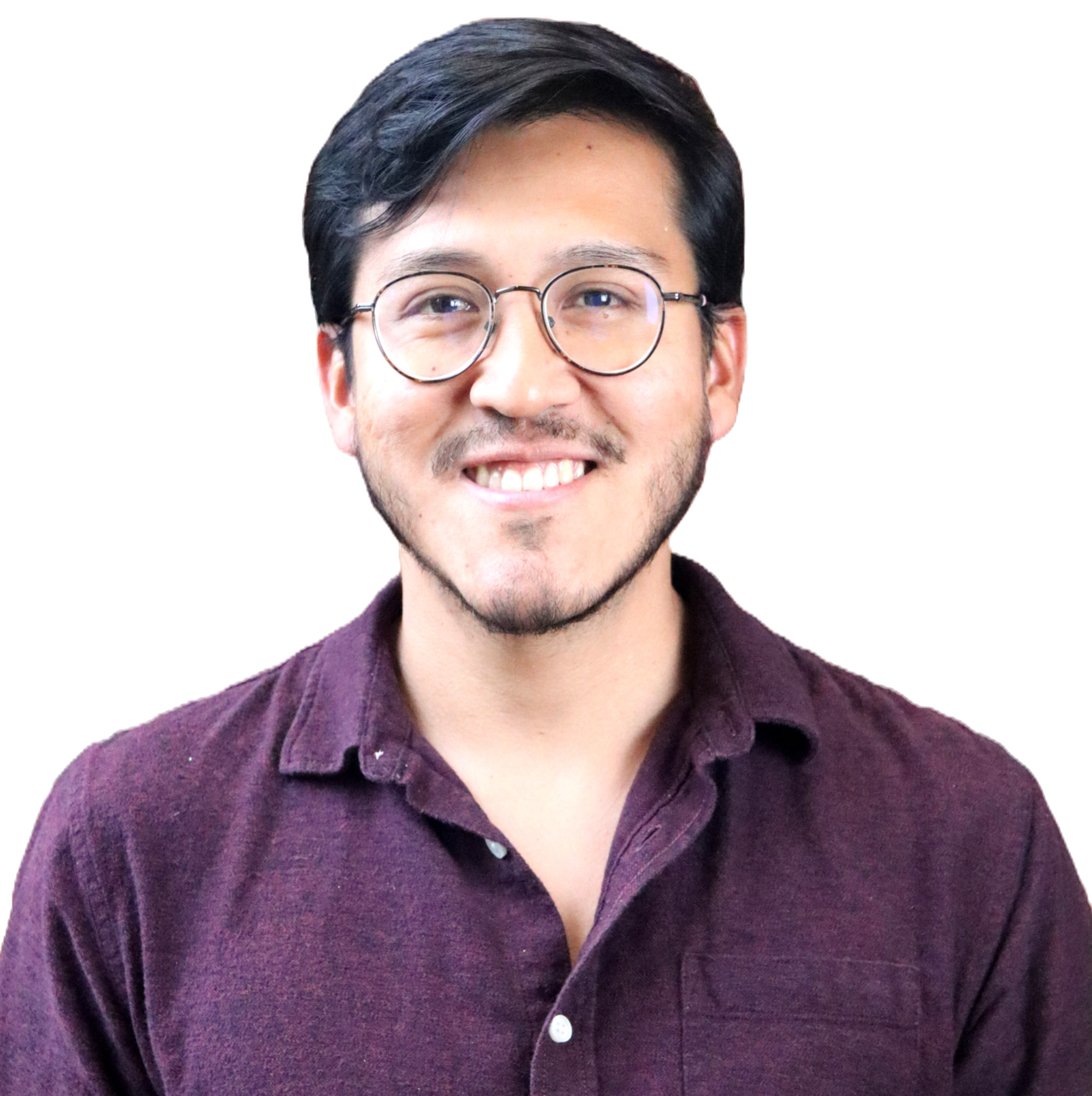
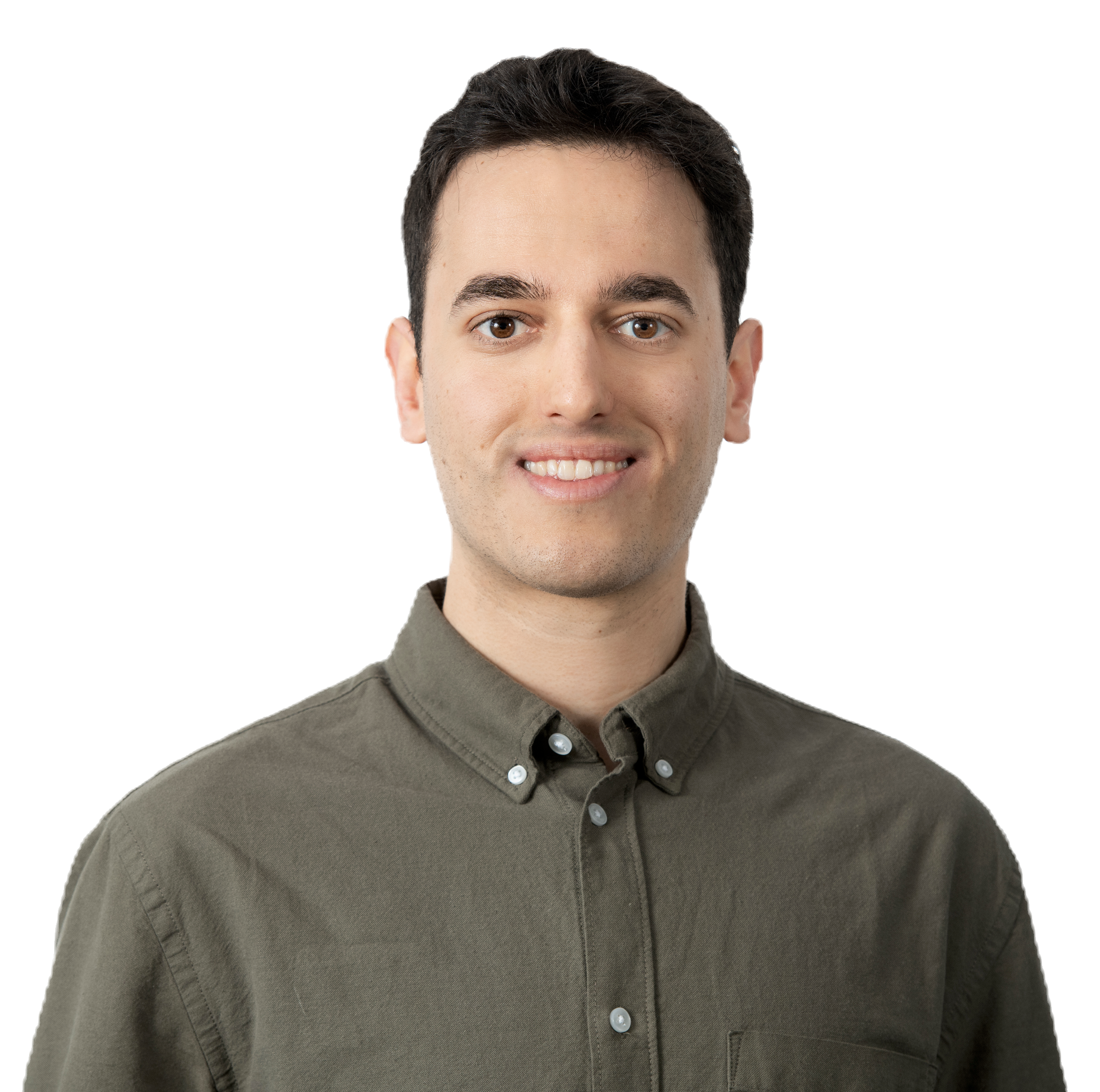
Francisco Martínez-Jiménez

Francisco Martínez-Jiménez

Group Leader, PhD
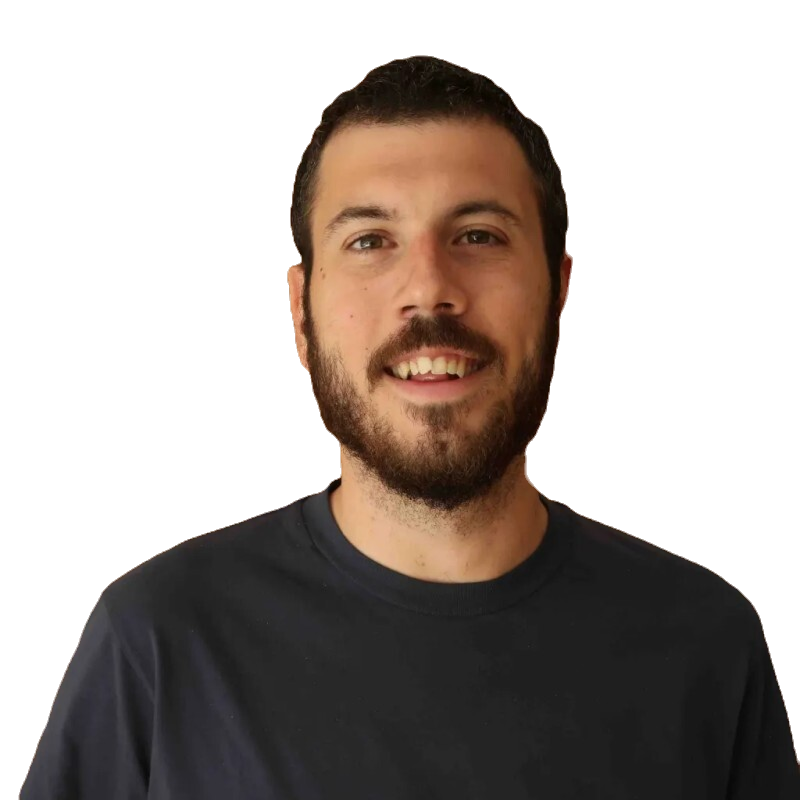
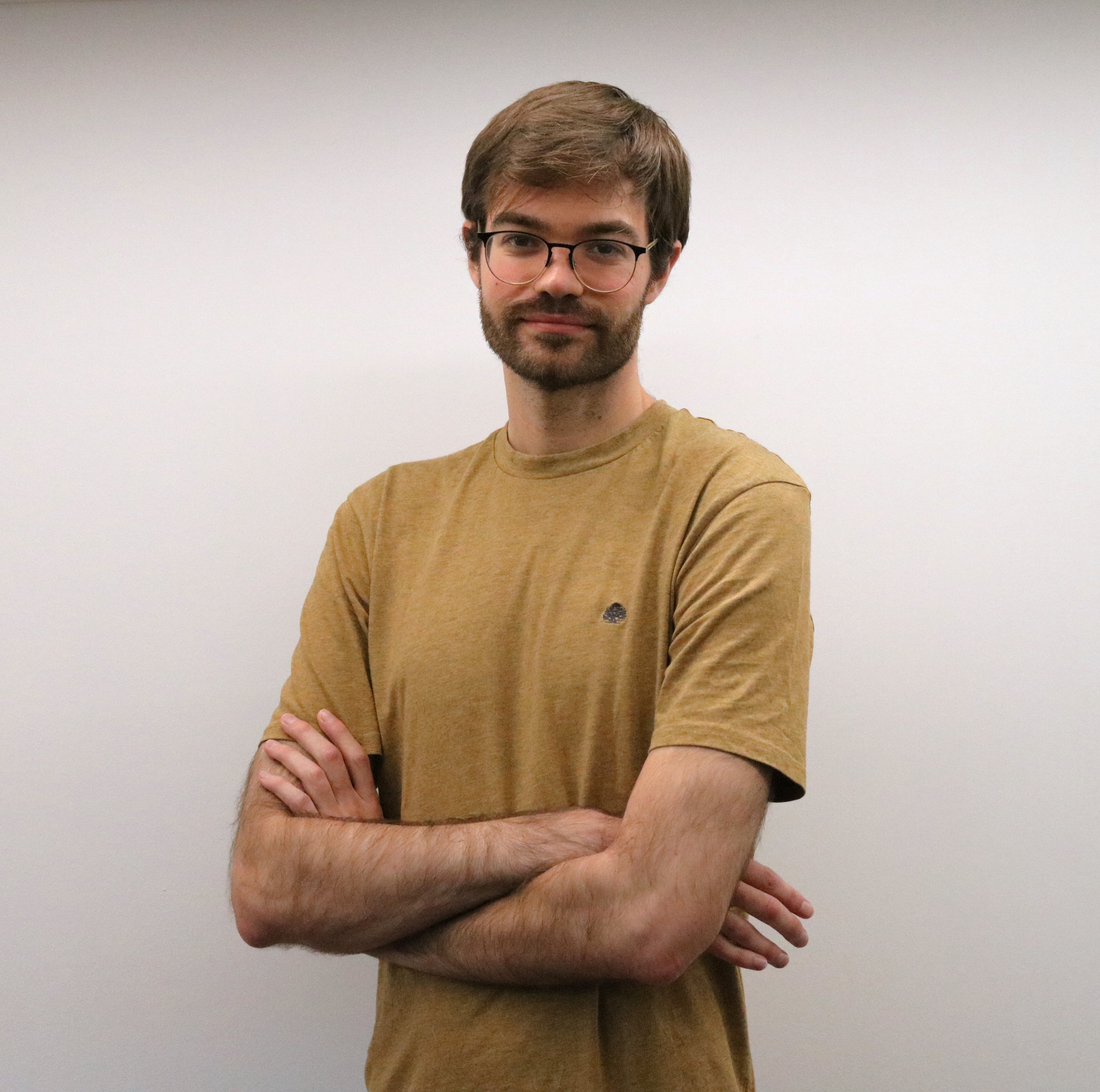
Lucas Michel

Lucas Michel

Postdoctoral Fellow, MD, PhD
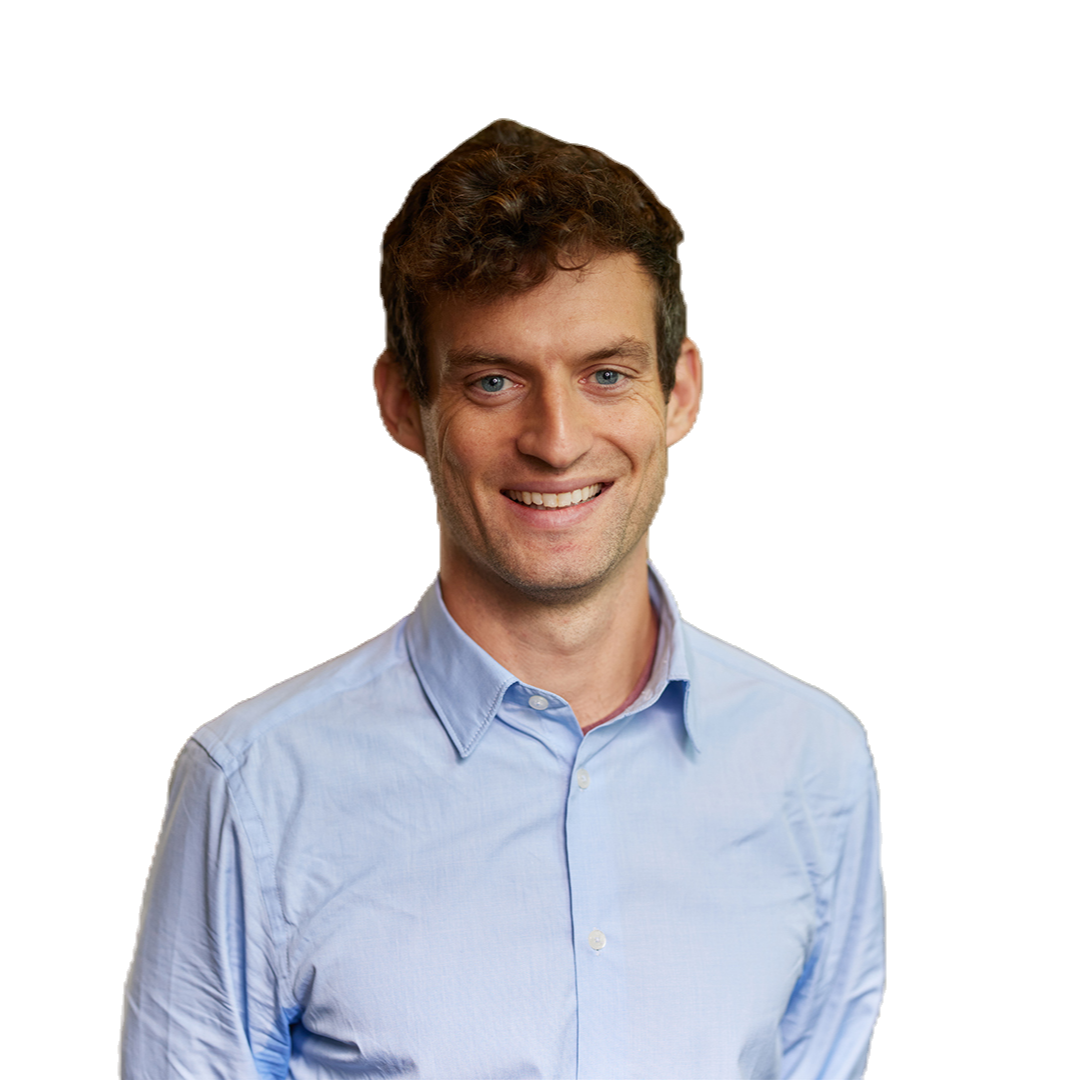
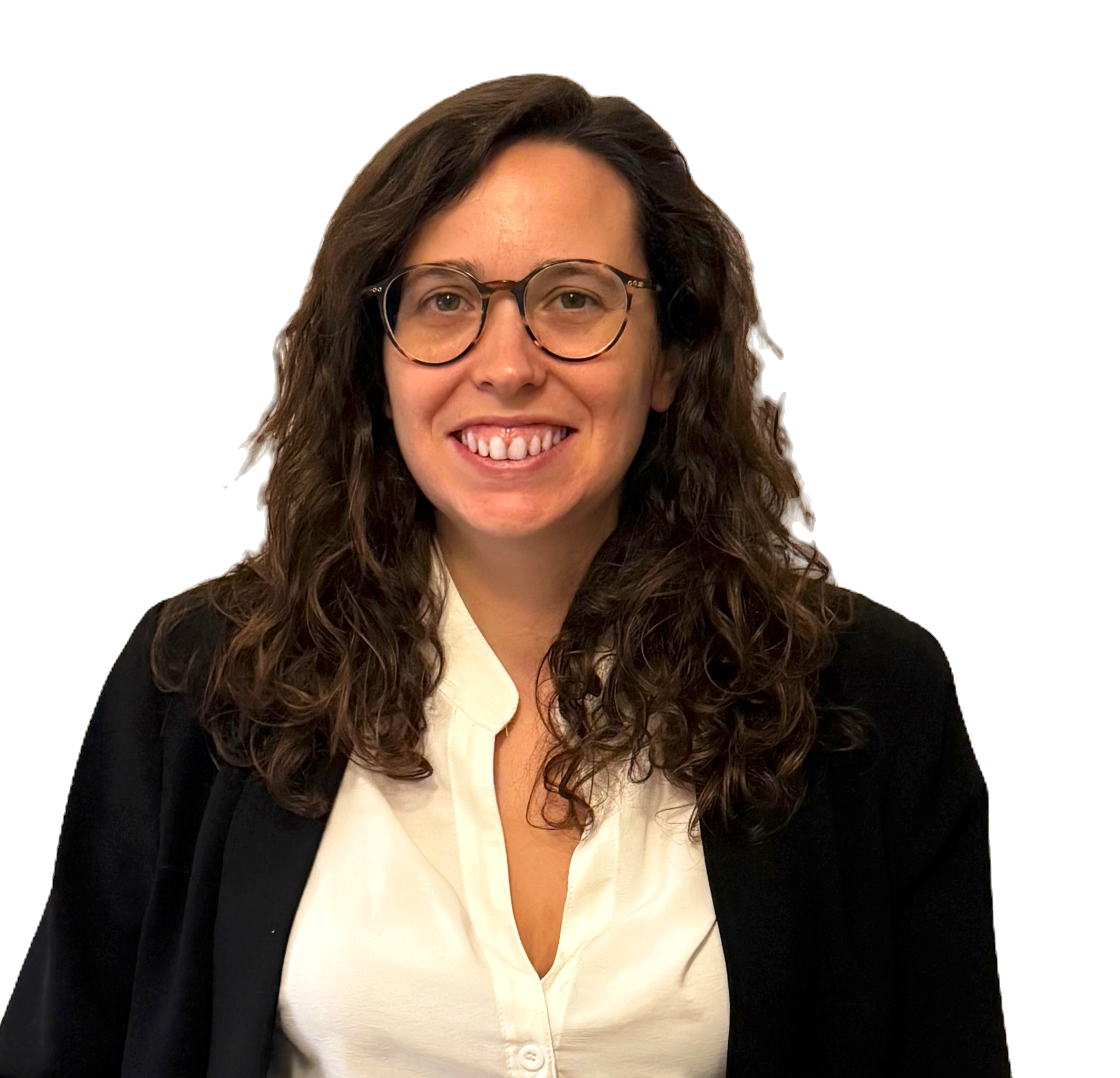
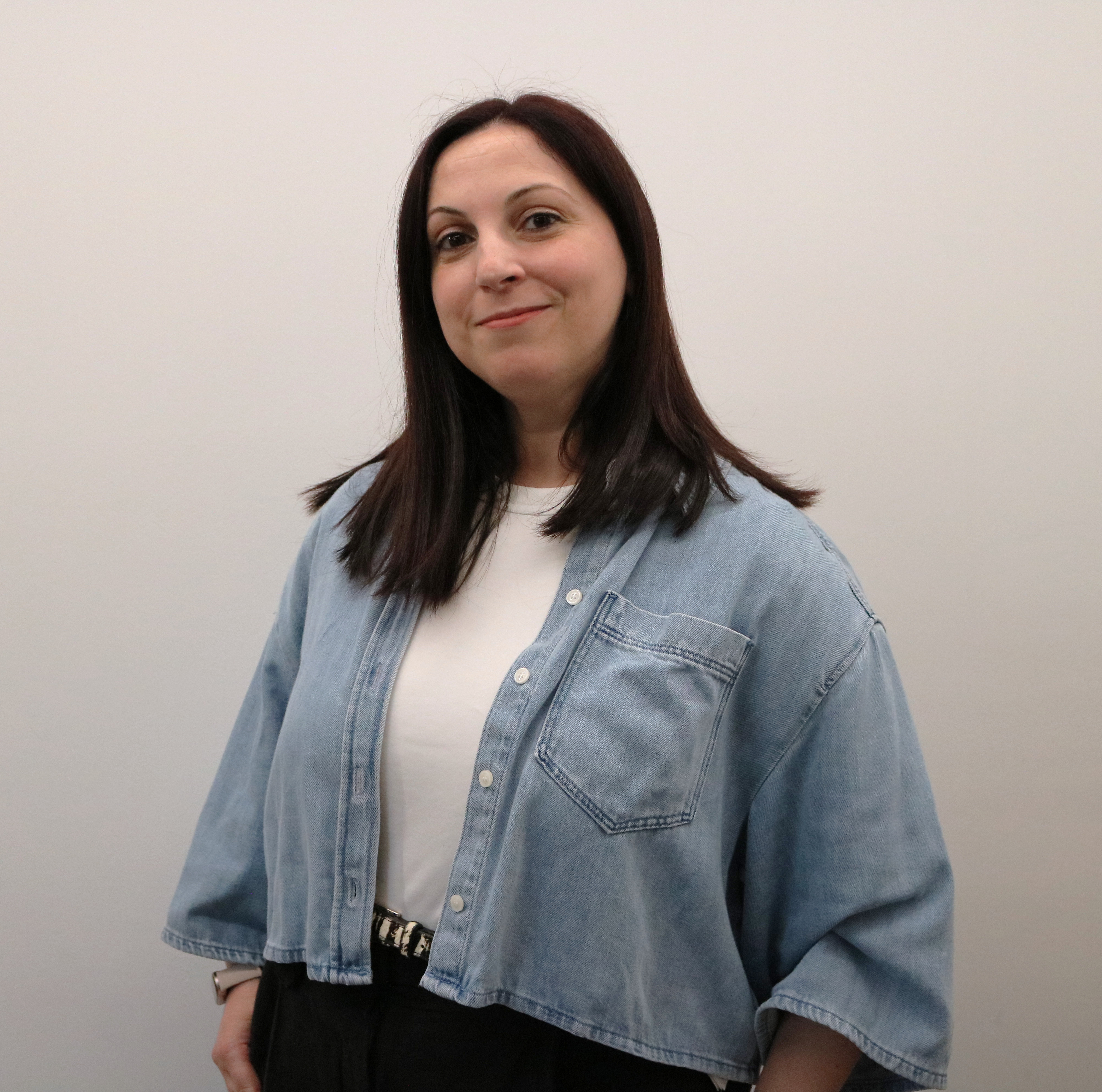
Ana Dueso-Barroso

Ana Dueso-Barroso

Postdoctoral Fellow, PhD
Josep Usset

Josep Usset

Data Analyst, PhD
Manuel Jara-Espejo

Manuel Jara-Espejo

Postdoctoral Fellow, PhD
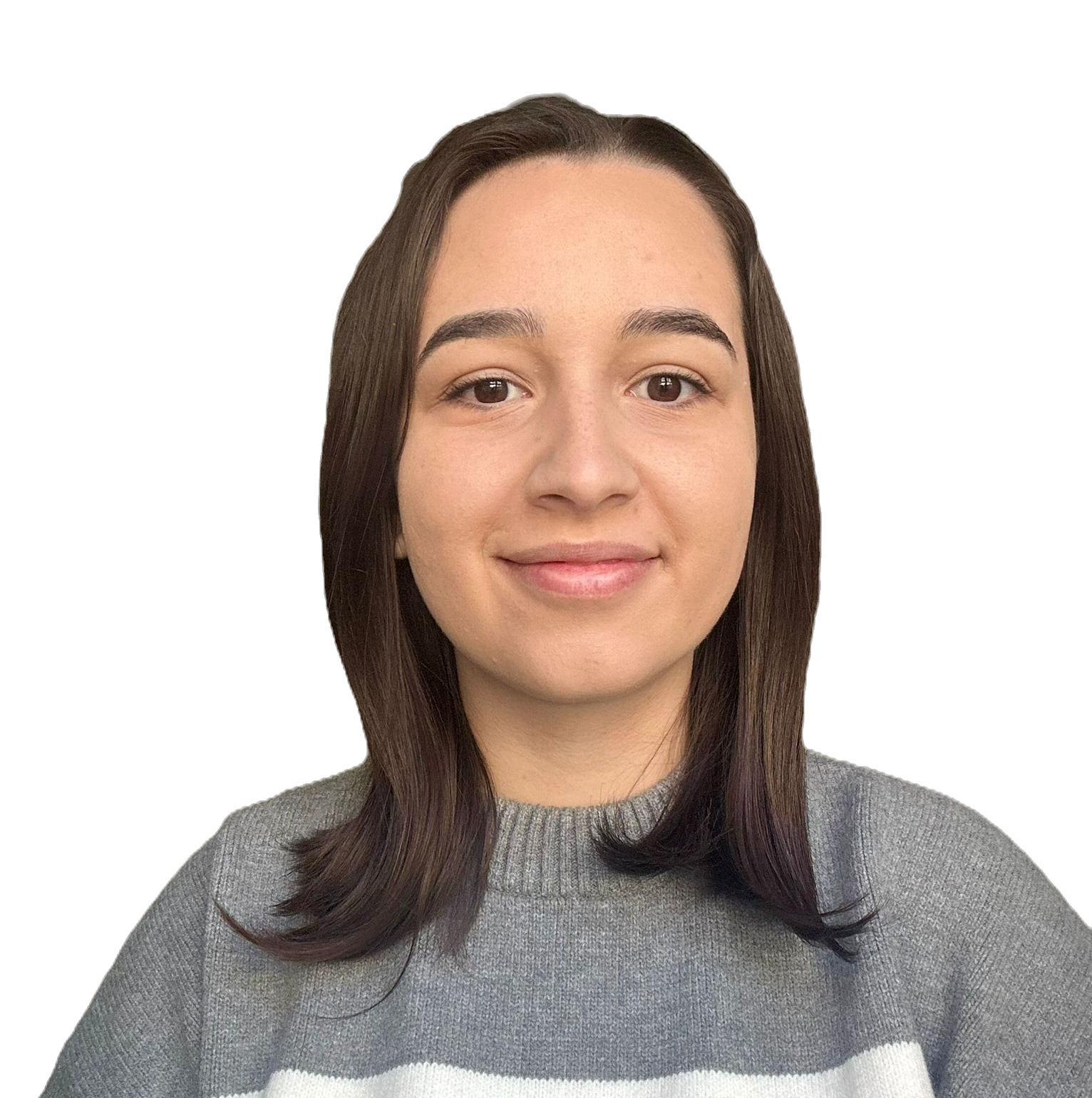
Alba Tristán Noguero

Alba Tristán Noguero

Clinical Research Operations Coordinator, PhD
Natasa Mortvanski

Natasa Mortvanski

PhD Student
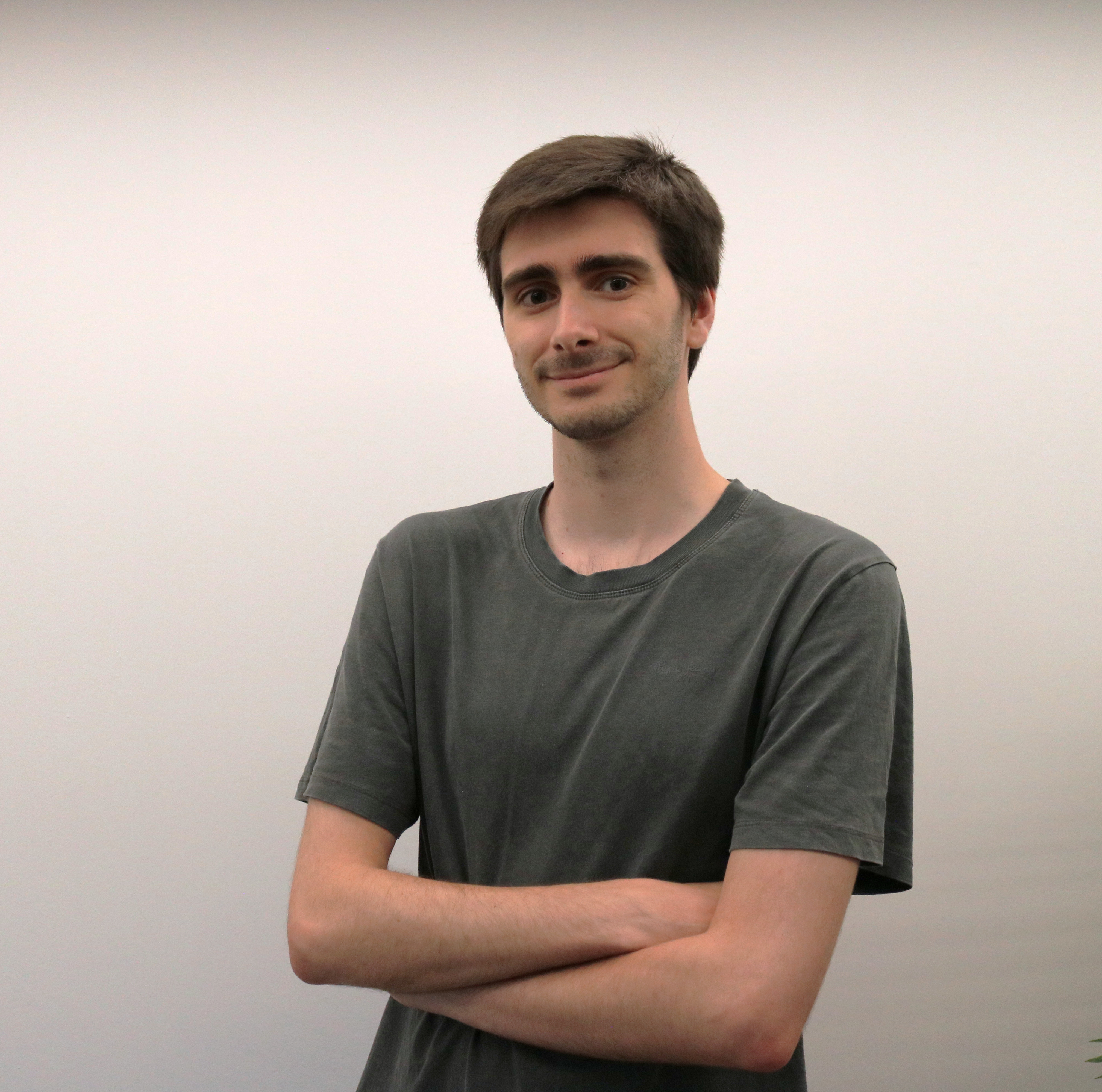
Sergio Esteban-Echavarria

Sergio Esteban-Echavarria

Bioinformatician
Adrián Parrilla-Mesas

Adrián Parrilla-Mesas

Bioinformatician
Alexios Giannoulas

Alexios Giannoulas

Master Student

Affiliated Members

— 03

Publications

Selected work from the group and from Fran's previous appointments. Full list on Google Scholar.

2026
  1. Centrosome clustering in cancer cells requires microtubule assembly through a RanGTP-dependent TPX2-KIFC1 interaction

    Georgina Garrido, Jacopo Scrofani, Ana Arsenijevic, Alvaro Aranguren, Francisco Martínez-Jiménez, Eva Borràs, Eduard Sabidó, Isabelle Vernos

    Current Biology · 2026

2025
2024
  1. An immunogenetic basis for lung cancer risk

    Chirag Krishna, …, Francisco Martínez-Jiménez, …, Diego Chowell

    Science · 2024

  2. Modulating the immune response to SARS-CoV-2 by different nanocarriers delivering an mRNA expressing trimeric RBD of the spike protein: COVARNA Consortium

    Laura Marcos-Villar, …, Francisco Martínez-Jiménez, …, Carmen Elena Gómez

    npj Vaccines · 2024

2023
  1. Assessment of human SARS CoV-2-specific T-cell responses elicited in vitro by new computationally designed mRNA immunogens (COVARNA)

    Ignasi Esteban, …, Francisco Martínez-Jiménez, …, Montserrat Plana, COVARNA Consortium

    Vaccines · 2023

2022
  1. Detection of oncogenic and clinically actionable mutations in cancer genomes critically depends on variant calling tools

    Carlos A Garcia-Prieto, Francisco Martínez-Jiménez, Alfonso Valencia, Eduard Porta-Pardo

    Bioinformatics · 2022

2021
  1. Genomic and evolutionary classification of lung cancer in never smokers

    Tongwu Zhang, Philippe Joubert, Naser Ansari-Pour, …, Francisco Martínez-Jiménez, et al.

    Nature Genetics · 2021

2020
  1. Genomic epidemiology of superspreading events in Austria reveals mutational dynamics and transmission properties of SARS-CoV-2

    Alexandra Popa, …, Francisco Martínez-Jiménez, …, Andreas Bergthaler

    Science Translational Medicine · 2020

2017
  1. Rational design of non-resistant targeted cancer therapies

    Francisco Martínez-Jiménez, John P Overington, Bissan Al-Lazikani, Marc A Marti-Renom

    Scientific Reports · 2017

2016
  1. Should network biology be used for drug discovery?

    Francisco Martínez-Jiménez, Marc A Marti-Renom

    Expert Opinion on Drug Discovery · 2016review

2015
  1. Ligand-target prediction by structural network biology using nAnnoLyze

    Francisco Martínez-Jiménez, Marc A Marti-Renom

    PLOS Computational Biology · 2015

  2. Release of 50 new, drug-like compounds and their computational target predictions for open source anti-tubercular drug discovery

    María José Rebollo-Lopez, …, Francisco Martínez-Jiménez, …, David Barros-Aguire

    PLoS One · 2015

2013
  1. A novel family of soluble minimal scaffolds provides structural insight into the catalytic domains of integral membrane metallopeptidases

    Mar López-Pelegrín, Núria Cerdà-Costa, Francisco Martínez-Jiménez, Anna Cintas-Pedrola, et al.

    Journal of Biological Chemistry · 2013

  2. Target prediction for an open access set of compounds active against Mycobacterium tuberculosis

    Francisco Martínez-Jiménez, George Papadatos, Lun Yang, Iain M Wallace, et al.

    PLOS Computational Biology · 2013

— 04

Media & talks

Selected appearances in podcasts, documentaries and broadcasts.

— 06

Funding & affiliations

Partners and funding bodies that make our research possible.

Our funders

Our affiliations

— 07 / Join us

Interested in joining the lab?

We are always happy to hear from curious, rigorous scientists with a background in computational biology, cancer genomics, immunology, or AI. Postdocs, PhD students, and master interns are all welcome to get in touch.

Get in touch Send a CV and a few lines about your interests.